Removals in London

Removals in London need careful planning, clear access checks and a practical approach to loading, transport and delivery. Our removals service is set up for people who want their belongings moved with less disruption, whether the job involves a flat, a house, shared accommodation or a business premises. We handle the movement of furniture, boxes and household effects with a focus on orderly work, sensible packing support and a straightforward quotation process.
For customers comparing options, the most useful starting point is the removal services page, which outlines the wider work we can provide around home and business moves. If your move is centred on a property with stairs, controlled parking or limited access, that context matters as much as the distance itself. We can discuss the size of the move, the level of packing help needed and any awkward items that may need extra care.
When you are ready to move on from planning, a short enquiry is enough to begin a quotation. Tell us what is being moved, where it is going and whether you need packing support. If the move is urgent or unusually complex, say so early so the scope can be reviewed properly. We keep the process practical and keep the conversation focused on the details that affect the work.
House and flat removals
House and flat removals usually depend on volume, access and how much preparation is needed before moving day. A well-planned move reduces the chance of delays, especially where there are upper floors, narrow entrances or shared hallways. Our approach is built around careful handling and sensible sequencing, so larger items are moved first and fragile belongings are kept separate from heavier loads. The aim is to make the move feel organised rather than rushed.
For domestic customers, the useful scope often includes disassembling selected furniture, wrapping items that need extra protection and separating essentials from non-essentials before the team arrives. We can work with homes of different sizes, from smaller flats to family houses, and the most suitable arrangement depends on the amount of furniture and the level of help you want. If you need a service overview for household moves, the house removals page is a relevant place to look.
How domestic moves are organised
A good domestic move starts with a simple inventory and a sensible plan for loading. Boxes should be grouped by room where possible, and furniture that can be taken apart is often easier to move safely once it has been prepared in advance. We can help with practical decisions such as which items should be wrapped, which should be lifted separately and what needs to be loaded last for easier access at delivery.
Packing support and boxes

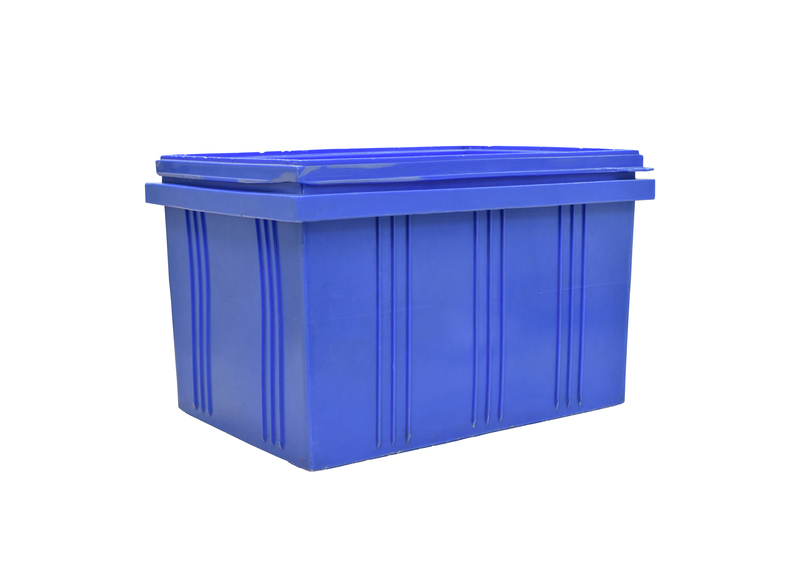
Packing support is a useful part of many removals jobs because it reduces handling problems and helps keep items organised for delivery. Some customers want help with the full packing process, while others only need a few rooms or difficult items managed more carefully. Our packing and unpacking work is intended to support the move itself, not to add unnecessary complexity. It is especially helpful when there are breakables, mixed storage items or a tight schedule for leaving a property.
If you want the move prepared in a more structured way, the packing and boxes page gives a better sense of the materials and practical packing support that can sit alongside removals. Good packing is not just about filling boxes; it is about using suitable sizes, labelling clearly and keeping weight manageable. This makes it easier to load safely and to place items in the correct rooms on arrival.
Useful packing choices often come down to time and item type. Books, kitchenware, clothes, ornaments and documents all benefit from different handling. If you are unsure what to pack yourself, it is often best to separate personal items, valuables and anything needed immediately after the move. We can then focus on the larger furniture and the rest of the consignment in a steady, controlled way.
Furniture removals and single items
Furniture removals require care because size, shape and material all affect how an item should be lifted and carried. Sofas, wardrobes, tables, beds and cabinets may need protection around corners, door frames and stairs. We also deal with individual items that need to be collected or delivered separately from a full household move. That can be useful when a customer only needs a few substantial pieces moved, rather than a whole property clearance.
If your enquiry centres on a one-off item or a collection of furniture, the furniture removals page explains the sort of work we can provide in that category. We pay attention to the practical details that matter most: whether furniture can be dismantled, whether glass or polished surfaces need wrapping and whether there is enough room for safe lifting. This keeps the move efficient while still treating each item with care.
Some furniture is easier to move if it is prepared beforehand, but that does not mean every item must be taken apart. The right approach depends on the shape of the item, the route through the property and the available space at both ends. For awkward items, a calm, deliberate loading sequence usually matters more than speed.
Man and van for flexible moves

A man and van service can suit smaller removals, light loads and jobs where flexibility matters more than a large vehicle or a multi-person team. It is often chosen for student moves, small flat moves, single-room relocations and collections that do not justify a bigger arrangement. The service is still a removals service, so careful loading and sensible route planning remain important even when the volume is modest.
Customers comparing lighter move options can review the man and van page for a clearer view of that type of transport support. This can be useful when the move includes a few pieces of furniture, packed boxes and personal belongings that need to travel together. The benefit is in matching the vehicle and manpower to the task, rather than paying for capacity that will not be used.
If you are deciding between a full removals team and a smaller arrangement, think about the number of items, the access at both addresses and whether loading assistance is required beyond simple transport. A compact move may still need careful handling, especially where stairs, parking restrictions or fragile items are part of the job. Practicality matters more than label; the right solution is the one that fits the load.
Office removals and commercial moves
Office removals need a more structured approach because furniture, equipment, documents and workstations often have to be moved in a logical order. The job may involve desks, chairs, filing units, storage cupboards and boxed materials, along with items that need to be kept separate for security or convenience. A commercial move works best when the scope is clear and the loading sequence supports continuity at the destination.
For businesses comparing moving options, the office removals page is a practical place to start, while the commercial moves page covers the broader category of business relocation support. We can help with smaller office moves as well as larger transfers, and the approach is adapted to the layout of the premises and the type of equipment involved. Careful planning is especially helpful where there are shared entrances, timed access or multiple rooms to clear.
Commercial work benefits from a clear list of priority items. That can include equipment to move first, stock to keep separate and furniture that must be dismantled before transport. If you are arranging an office move, it is worth identifying anything that must remain accessible on the day so the job can be sequenced properly and unpacking can begin without confusion.
Heavy and specialist items
Not every removals job is about standard boxes and furniture. Some moves include heavier or more awkward items that need extra care, such as pianos, large cabinets or bulky pieces with limited grip points. These items require consideration of weight, balance and the route from the property to the vehicle. When handled badly, they can cause damage to floors, walls or the item itself, so specialist handling is worth discussing early.
If your move includes something more demanding, the piano removals page is the most relevant destination in the sitemap for that type of work. Even when the item is not a piano, the same general principle applies: specialist pieces should be considered separately from the rest of the load. This helps determine whether extra preparation, extra protection or a more cautious lifting approach is needed.
A measured approach is usually best for heavyweight items because the route matters as much as the item itself. Tight corners, stairs, limited door widths and uneven outdoor surfaces all affect the way an item should be moved. A good assessment focuses on those practical points before anyone starts lifting.
Storage, timing and move planning

Sometimes the best removals plan is not a direct move from one address to another. Storage can be useful when a completion date shifts, when there is a gap between leaving one property and entering the next, or when items need to be held securely while access is sorted out. The right arrangement depends on how long the goods need to be stored and how they will be delivered once the next stage is ready.
For more about that option, the storage page provides a relevant overview. Timing is often the most important practical issue in removals because even a well-packed move can be disrupted if the handover window is tight. When planning a job, it helps to think through access times, parking arrangements and whether there are any items that need to move separately from the main load.
Two pieces of preparation usually make the biggest difference: a sensible list of items and a clear picture of access at both ends. If you can note which rooms are involved, what large furniture is present and whether any items need special handling, the quotation process is usually more straightforward. We can then match the work to the move rather than forcing the move into a generic pattern.
About London
London is the capital and largest city of the United Kingdom, shaped by the River Thames and a long history that reaches from Roman Londinium to the modern metropolitan region. Its built environment combines surviving fragments of earlier centuries with later layers of civic, commercial and residential development, so a single walk can pass from medieval churchyards to Georgian terraces, Victorian railway architecture and contemporary towers. The City of London remains the historic core and financial district, while Westminster, South Bank, the West End and many other areas contribute their own distinct character. Museums, theatres, galleries and concert halls give the city a dense cultural life, and places such as the British Museum, the National Gallery and the Southbank Centre are well known to residents and visitors alike. The river itself is still a defining feature, crossed by bridges that are both practical and symbolic, while green spaces such as Hyde Park, Regent’s Park and Hampstead Heath provide breathing space within the urban fabric. London’s transport network, from the Underground and Overground to mainline stations and bus routes, has long shaped how people move across the city, and its varied neighbourhoods reflect centuries of migration, trade and reinvention. Boroughs including Camden, Southwark, Islington, Kensington and Chelsea, Tower Hamlets and Greenwich each add different streetscapes, housing types and local institutions to the larger whole. The result is a city that is not easily summarised by one image or one period, because it constantly combines continuity with change.
Quotations and service choices
When people ask for a removals quotation, the most useful information is usually simple and practical. The size of the load, the type of property, whether furniture needs dismantling and whether packing help is required all influence the work. If you also know the access conditions, such as stairs, lifts, parking or distance from door to vehicle, it becomes easier to suggest a suitable arrangement. That is why a concise enquiry is often enough to start the process.
Our pricing and quotes page is the clearest place to look if you want to understand how a quotation request is handled. You do not need to overcomplicate the brief. A short note about the addresses, the main items, the timing and any special pieces is usually sufficient for a useful response. Keep the detail factual and relevant, because that is what helps produce a practical estimate rather than a vague one.
Whether the move is domestic or commercial, the best outcome comes from matching the service to the real job. If the load is light, a smaller transport arrangement may be enough; if the move is large or intricate, a fuller removals plan may be more appropriate. If you are ready to compare options, request a quotation and we will help you work out the right level of support.
Contact and next steps

For many customers, the final stage is simply to turn the plan into a booked move. That starts with a clear conversation about what needs relocating, how much handling is involved and whether packing or storage should be included. If the job has unusual access, delicate items or a fixed deadline, those points are best mentioned early so the move can be organised sensibly and the quotation can reflect the work more accurately.
If you want to send your details now, use the contact us page to make an enquiry. It is the most direct way to ask for a quote, explain the scope of the move and outline any timing requirements. Tell us what you need moved and when you need it done, and we can take the next step from there. A brief, clear message is usually the easiest way to start.
For a straightforward removals service in London, the main aim is to make the move feel manageable from the first conversation to the final delivery. If you are comparing services, looking at packing support or checking whether storage is needed, start with the details that matter most. Then ask for a quotation and choose the arrangement that fits your move.