Health and Safety Policy for Removals London
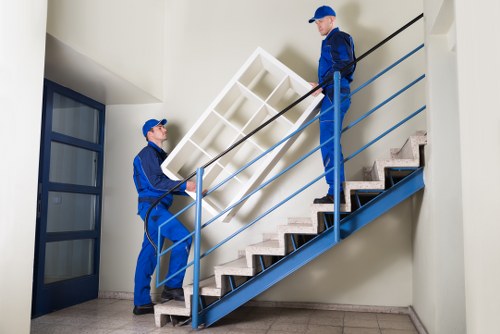 Health and safety is central to every successful removals service. This policy sets out the standards expected across removals London operations, helping protect staff, customers, property, and the public. Whether the task involves a small flat move or a larger household relocation, careful planning and safe working practices reduce risk and improve service quality. Our approach is based on practical risk control, clear communication, and consistent supervision.
As a professional London removals company, we recognise that moving heavy furniture, handling fragile items, and working in varied buildings can create hazards. These may include slips, trips, manual handling injuries, vehicle movement risks, and damage caused by poor lifting technique. To manage these challenges, every move is assessed in advance, and team members are expected to follow safe systems of work at all times.
 We are committed to maintaining a workplace where safety is not treated as an afterthought. This includes regular equipment checks, suitable training, and the use of personal protective equipment where needed. All staff involved in removals services in London must understand the importance of reporting unsafe conditions, following instructions, and taking responsibility for their own actions as well as the safety of others.
Policy Principles
The company’s safety policy is built around prevention. Risks are identified before work begins, and control measures are selected according to the nature of the job. A planned house removals London operation should account for access routes, floor conditions, item weight, parking considerations, weather, and the presence of vulnerable objects or surfaces. By addressing hazards early, we lower the likelihood of accidents and delays.
Training and competence are essential. All staff must be trained in safe lifting, carrying techniques, use of trolleys and protective materials, and methods for loading and unloading vehicles. Where specialist handling is needed, only trained personnel should carry out the task. Supervisors are responsible for ensuring that work is assigned appropriately and that no employee is asked to perform a job beyond their capability.
 Communication is also vital. Before and during each move, team members should exchange clear instructions and confirm any changes to the plan. This is particularly important when navigating narrow staircases, shared entrances, or areas with limited visibility. Good communication supports safer office removals London, domestic moves, and storage-related transport work alike.
Responsibilities and Safe Working Practices
Every employee has a duty to work carefully and to protect others from harm. Staff must avoid rushing, follow manual handling guidance, and request assistance when an item is too heavy or awkward to move alone. Team lifting should be used whenever appropriate, and items should be packed and secured to prevent shifting during transit. Damaged packing materials, broken straps, or faulty equipment must be removed from use immediately.
Vehicle safety is another key area. Drivers must ensure that vans are roadworthy, loaded correctly, and driven in a manner that reflects current road and weather conditions. Loads should be balanced and secured to prevent movement. Parking and access should be planned to minimise unnecessary walking distances and reduce exposure to traffic hazards. This applies to commercial removals London as well as residential work, especially when handling time-sensitive deliveries.
Our policy also covers site safety when working inside customer premises. Floors, carpets, door frames, walls, and lifts must be protected where appropriate. Special care should be taken around stairs, glass, electrics, and loose items that could cause injury. Staff are expected to remain alert, work methodically, and report anything unusual, such as leaks, unstable furniture, or blocked access routes, before continuing the job.
Equipment, Reporting, and Incident Response
 All moving equipment should be maintained in good condition and checked before use. This includes dollies, sack trucks, straps, blankets, protective covers, and tools used for dismantling or reassembly. Defective items must be taken out of service until repaired or replaced. Safe equipment use helps reduce strain injuries and improves control when handling large or valuable items.
Any incident, near miss, or unsafe condition must be reported promptly so that action can be taken. Reports may involve injuries, property damage, vehicle faults, or hazards discovered during a move. Managers should review these reports, identify trends, and introduce improvements where needed. This continuous review process is an important part of maintaining high standards across removals company London operations.
If an accident occurs, staff should respond calmly and follow the agreed emergency procedure. First aid support must be sought where required, and the area should be made safe to prevent further harm. In situations involving serious injury, fire, or other major risk, emergency services must be contacted without delay. After the incident, a review should be completed to help prevent recurrence.
Commitment to Continuous Improvement
Health and safety is not static; it must adapt to changing workloads, equipment, and working environments. Regular policy reviews help ensure that procedures remain effective and relevant. Feedback from incident records, inspections, and training outcomes should be used to strengthen practices across all moving services London activities. This includes updating lifting methods, refining loading procedures, and improving route planning where needed.
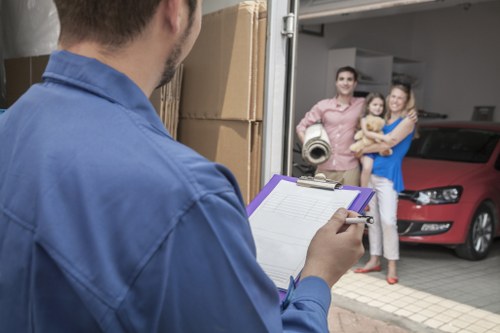 We expect every member of staff to support a culture of care, professionalism, and accountability. By maintaining high standards in planning, communication, and execution, removals London teams can complete jobs efficiently while keeping safety at the forefront. This policy reflects our commitment to responsible working practices, respectful treatment of property, and the wellbeing of everyone involved in the moving process.